About
With over 12 years of experience in environmental design and construction, our goal is ensure the maximum probability of success before, during, and after construction. Working alongside construction contractors is essential to ensuring the success of shoreline restoration and other environmental projects. Collaboration between restoration specialists and contractors fosters clear communication, shared goals, and efficient coordination throughout every stage of the project—from planning and permitting to implementation and maintenance. By working closely together, teams can anticipate challenges, adapt designs to on-site conditions, and ensure that construction methods align with ecological and regulatory standards.
This partnership helps balance technical precision with environmental sensitivity, ensuring that materials are installed correctly, timelines are met, and long-term performance is achieved. Regular communication between project managers, engineers, and contractors promotes accountability, safety, and quality workmanship. It also encourages knowledge sharing, allowing contractors to better understand ecological restoration principles while enabling restoration teams to appreciate construction logistics and constraints.
Ultimately, a strong working relationship with construction partners builds trust and leads to projects that are not only completed efficiently but also achieve their intended environmental outcomes—enhancing habitat, protecting shorelines, and improving community resilience for years to come
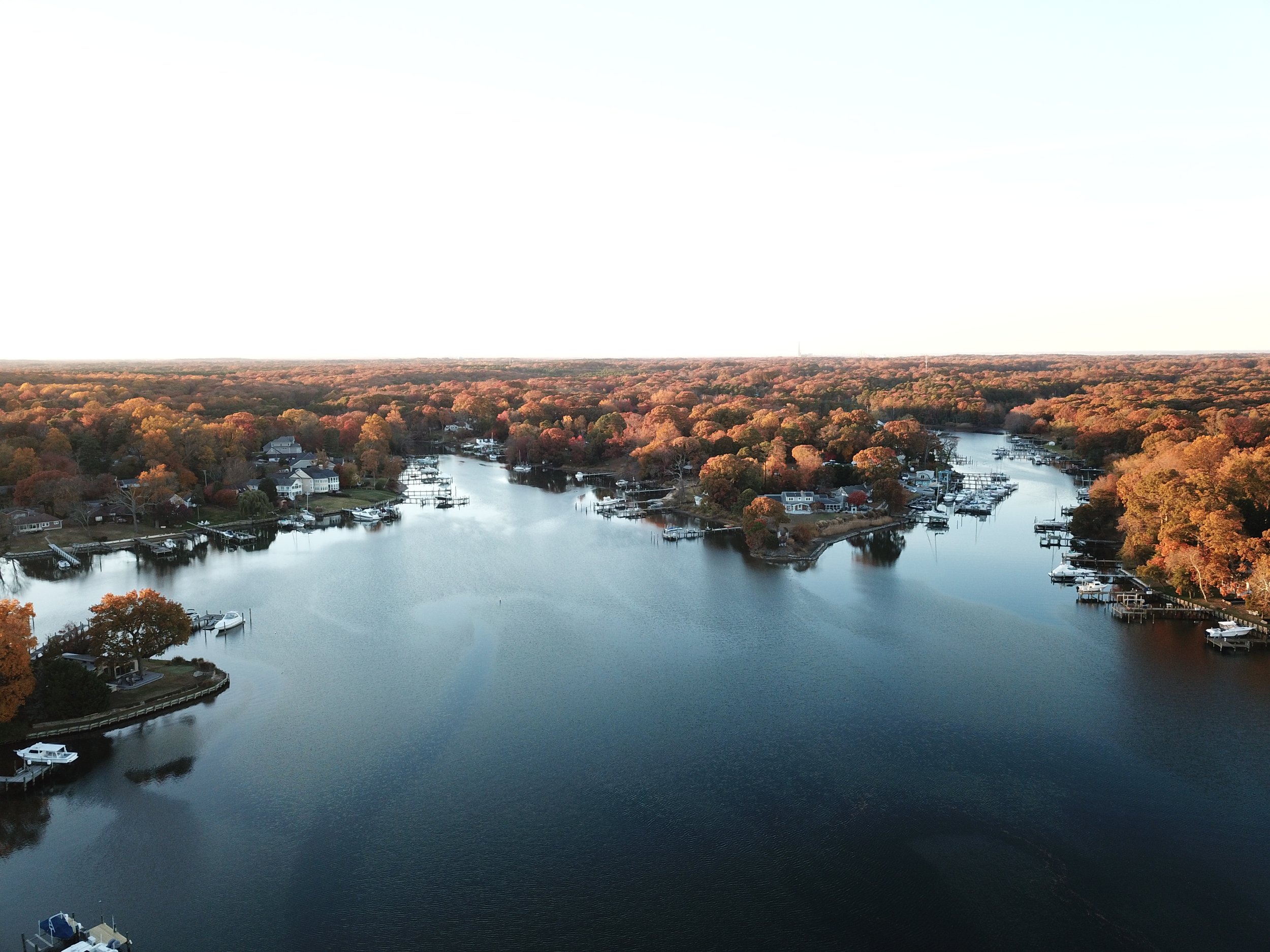
Shoreline restoration plays a vital role in protecting and revitalizing the health of the Chesapeake Bay, one of the largest and most productive estuaries in the United States. Over the past century, extensive shoreline development, erosion, and pollution have degraded critical coastal habitats such as wetlands, marshes, and oyster reefs. These natural buffers once filtered pollutants, reduced wave energy, and provided essential breeding grounds for fish, crabs, and waterfowl. As these habitats have been lost or damaged, water quality has declined, erosion has accelerated, and the Bay’s rich biodiversity has suffered.
Restoring shorelines helps reverse these trends by rebuilding and preserving natural habitats that stabilize the coast while supporting ecological functions. Restoration efforts can include replanting native vegetation, rebuilding tidal wetlands, and reducing bank erosion to reestablish the Bay’s natural defenses. These projects not only reduce erosion and protect against rising sea levels and unpredictable storms but also improve water quality by filtering runoff and providing habitat for countless aquatic and terrestrial species.
By investing in shoreline restoration, property owners and communities around the Chesapeake Bay not only protect their property and infrastructure but also strengthen the Bay’s ecological integrity. These efforts are essential for sustaining the region’s economy, wildlife, and cultural heritage for future generations.